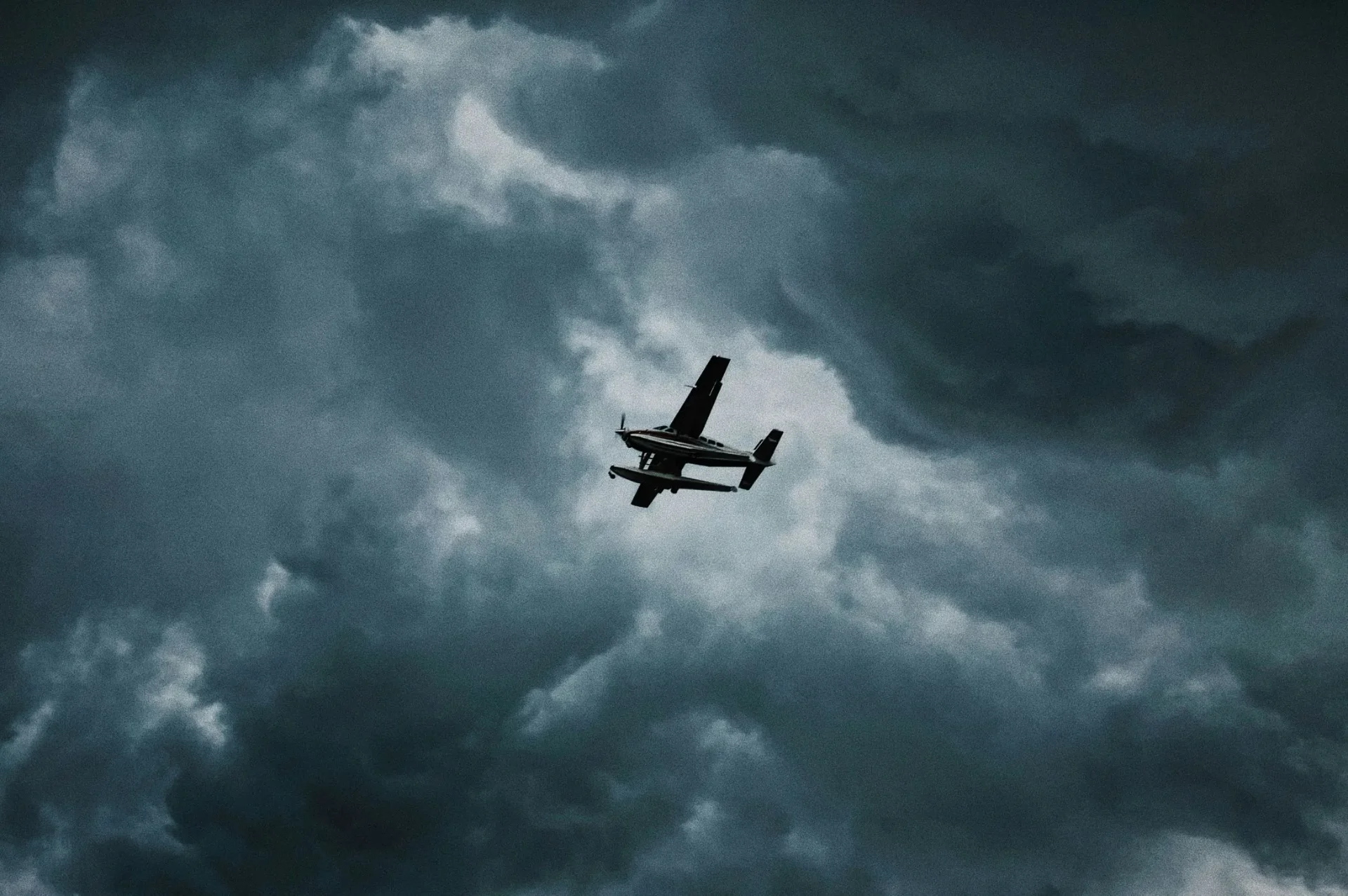
When Weather Decides: Turning Disruption into Operational Control

When Weather Decides
Bad weather is one of the few forces in aviation that no amount of planning can fully control. Storms, snowfalls and extreme temperatures: every change in weather creates a chain reaction across operations.
A storm can severely increase turnaround times, push crews to duty limits, and unravel carefully built schedules. What looks like one delay often becomes a disruption across the entire network.
The Real Operational Cost of Bad Weather
Weather affects more than takeoff times.
Low visibility slows approaches. Storms force reroutes that burn more fuel. Extreme temperatures change performance and payload. Ice requires…deicing. Each factor adds pressure on already complex operations.
The hardest part is often not the storm itself. It is what follows.
A delayed inbound aircraft impacts the next sector. Crew swaps become harder as legality limits approach. Maintenance windows shrink. What begins as weather quickly becomes a serious scheduling challenge.
Why Traditional Planning Breaks Under Weather Pressure
Most systems rely on fixed assumptions: planned block times, stable turnarounds, historical pilot availability numbers.
Weather breaks those assumptions.
When disruption hits, teams often fall back on manual fixes and experience. That experience is precious but it all takes time, and during weather events, time becomes the most limited resource.
How OPTIRISE™ Changes the Game
OPTIRISE™ helps teams at scheduling stage, as they assess the robustness of their plans. The system answers such questions as:
- Could I operate my planned flights without one, two or more aircraft?
- Without one, two or more pilots?
- Can I extend my planned turnaround time, and still cover every flight?
But OPTIRISE™ is also built for moments when the plan changes. When weather hits, OPTIRISE™ rebuilds the plan with fresh assumptions: actual available aircraft and crew, new maintenance blocks, etc. Instead of guessing, teams can review a new plan based on what is actually possible under the new conditions.
They can test scenarios, compare outcomes, and choose the option with the least operational impact.
From Reaction to Control
Weather will always be unpredictable. But recovery does not have to be.
With OPTIRISE™, operators respond faster, reduce cascading delays, and maintain control when conditions turn bad.
Related Articles
Rising Jet Fuel Prices: Why Every Non-Revenue Leg Matters More
Rising jet fuel costs change the economics of every request, aircraft assignment and positioning flight. Here is what operators can control.
Read more
Your Fleet Should Not Depend on One Person
Flight departments often run smoothly until the one person everyone relies on is unavailable. That dependency is structural — and costly.
Read more
The Hidden Planning Pressure in Multi-Aircraft Operations
In multi-aircraft operations, the coordination effort required to keep schedules stable is invisible — but its financial consequences are not.
Read more