
Top 3 planning mistakes we see and how to stop making them

Scheduling a fleet and crew is about making real-world trade-offs with real-world cost implications.
At RISE, we work with operators of all types and sizes, and we keep seeing the same planning mistakes. The kind that look small but quietly drain money, time, and ops team sanity.
Here are the top 3 mistakes and how we can help overcome them with the OPTIRISE™ magic wand:
#1 - Planning for the ideal week, not the real one
Too many planners start with a fixed weekly schedule that assumes every flight goes as planned: stable winds and flight times, no weather disruptions, predictable clients, available planes, and pilots.
Then Tuesday hits: bad thunderstorms, crew members calling in sick, and your afternoon aircraft rotation falls apart.
OPTIRISE™ magic wand: Plan for uncertainty. Your system needs to handle changes without triggering a domino effect. That means buffers where they make sense, running 'what-if' scenarios, and having the ability to rebuild your fleet and crew plans with every change.
#2 – Planning in no particular sequence
Too many planners work on their tasks as and when they have time: feasibility checks, flight planning, permit requests, FBO bookings, catering orders…
As a consequence, things feel hectic and rushed.
A permit may be requested… too early. And the request has to be renewed with every tail change.
A flight might fail its feasibility checks… too late. So a new solution must be found on the spot.
In that context, there is no ideal time to optimize the schedule for savings.
OPTIRISE™ magic wand: every operator should design their ideal workflow, and ensure every coworker knows what to do, and in what order. They can then run the optimizer at the ideal time to reap maximum benefits! OPTIRISE™ should be run late enough so all the flights are confirmed, but early enough so any tail changes can be accommodated easily.
#3 – Planning towards a single goal
Some operators swing too far in one direction. Some may over-prioritize crew comfort and underutilize the fleet. Others will max out flight hours and burn out their teams.
Some may want to preserve the original client request at all costs, and they may forgo some optimization opportunities (closer aircraft, shorter turnarounds). Others may prioritize fleet efficiency, and alter the client's experience.
OPTIRISE™ magic wand: Balance is the answer. Your logic should be to optimize towards multiple goals: fleet efficiency, client satisfaction, and crew well-being!
If planning feels like a constant fire drill, that's not a people problem; it's a process and system issue.
If you're ready to move past the same old mistakes, let's talk!
Related Articles
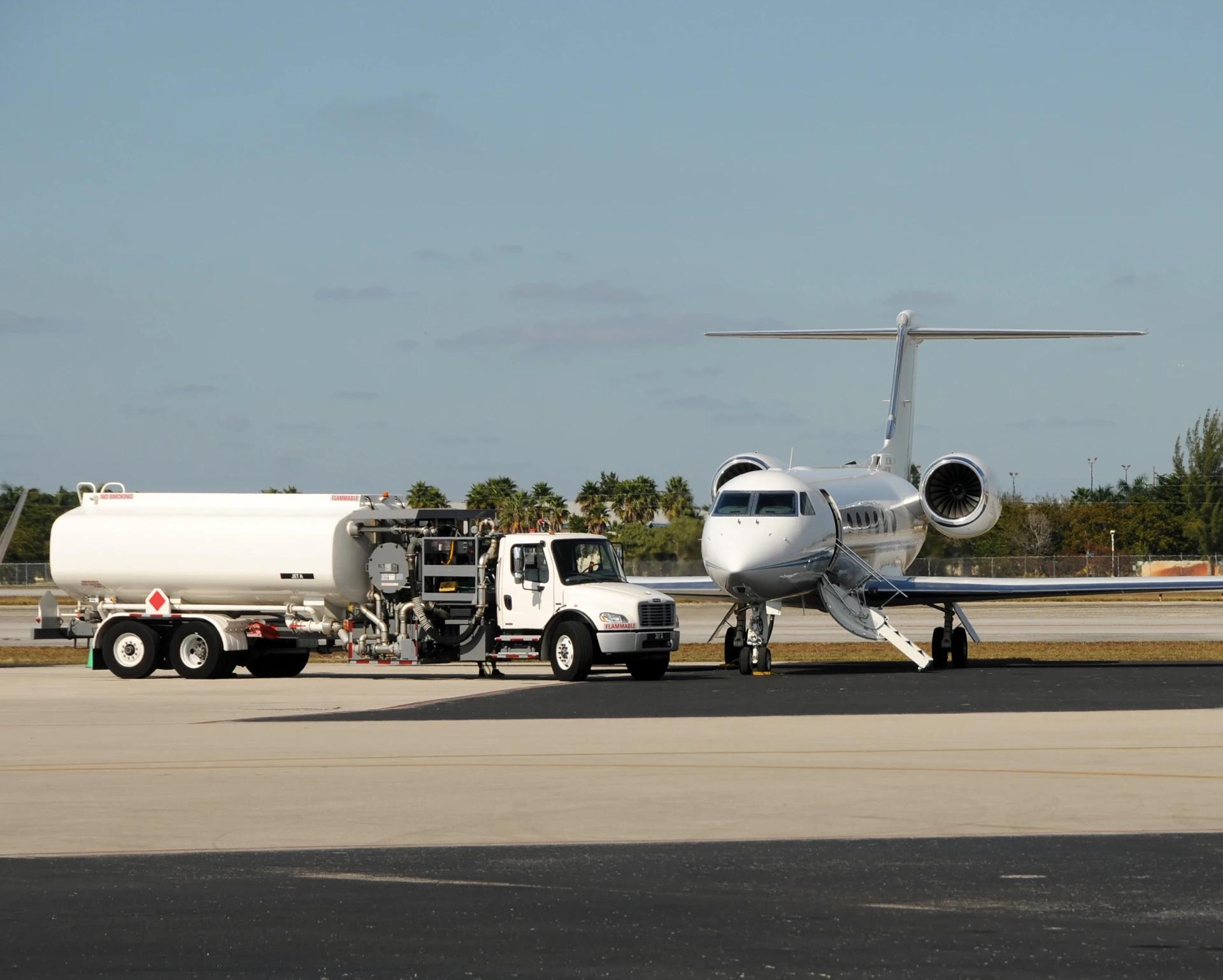
Rising Jet Fuel Prices: Why Every Non-Revenue Leg Matters More
Rising jet fuel costs change the economics of every request, aircraft assignment and positioning flight. Here is what operators can control.
Read more
Your Fleet Should Not Depend on One Person
Flight departments often run smoothly until the one person everyone relies on is unavailable. That dependency is structural — and costly.
Read more
The Hidden Planning Pressure in Multi-Aircraft Operations
In multi-aircraft operations, the coordination effort required to keep schedules stable is invisible — but its financial consequences are not.
Read more